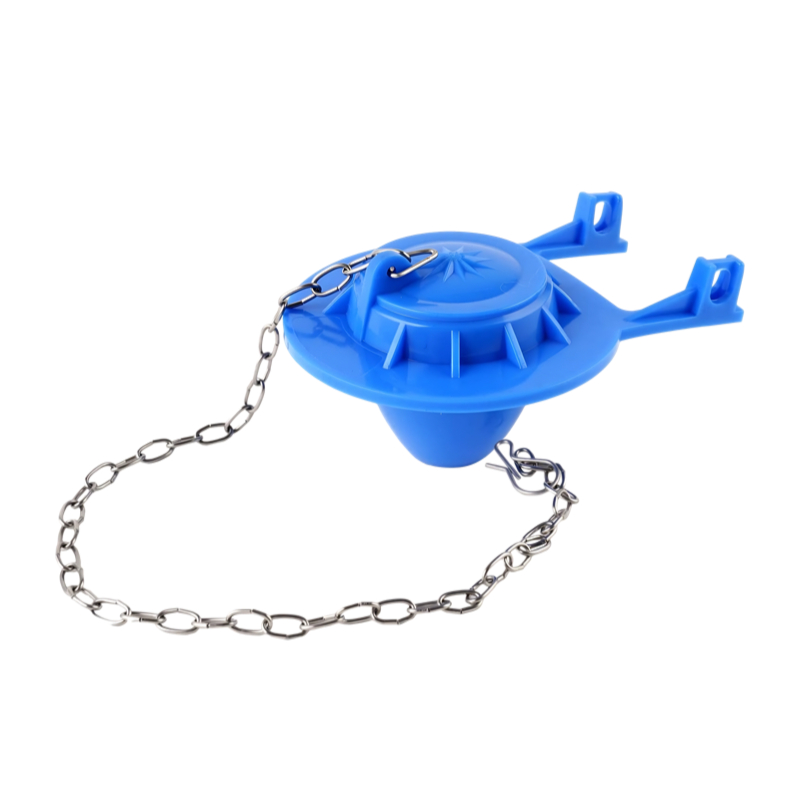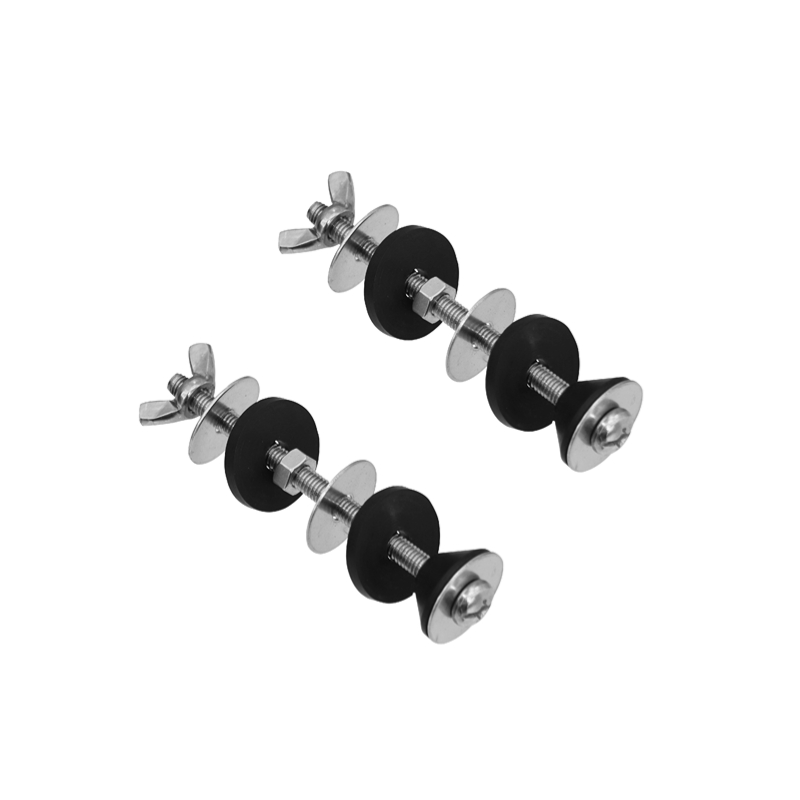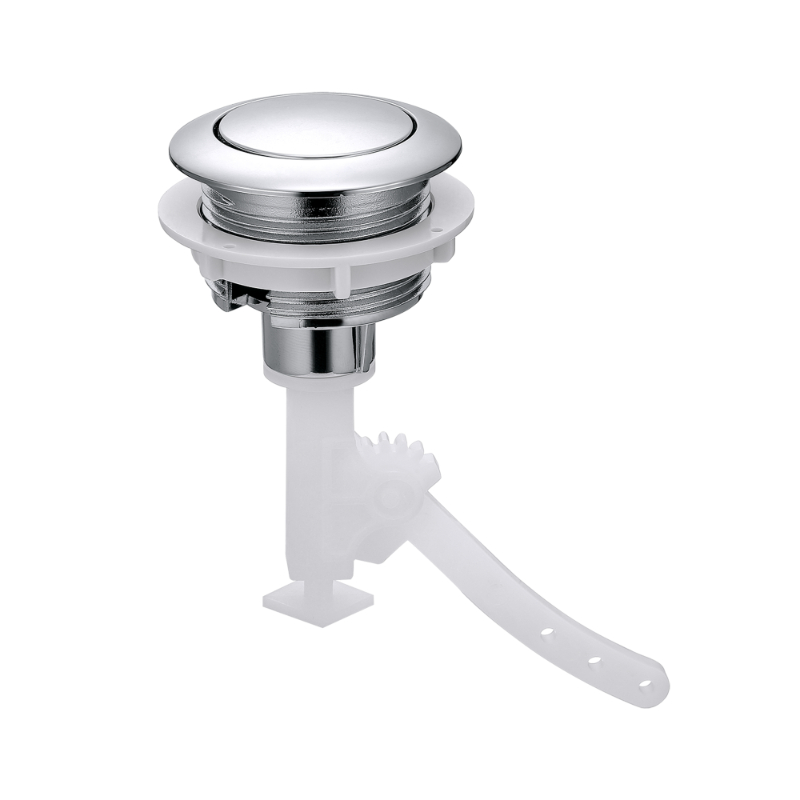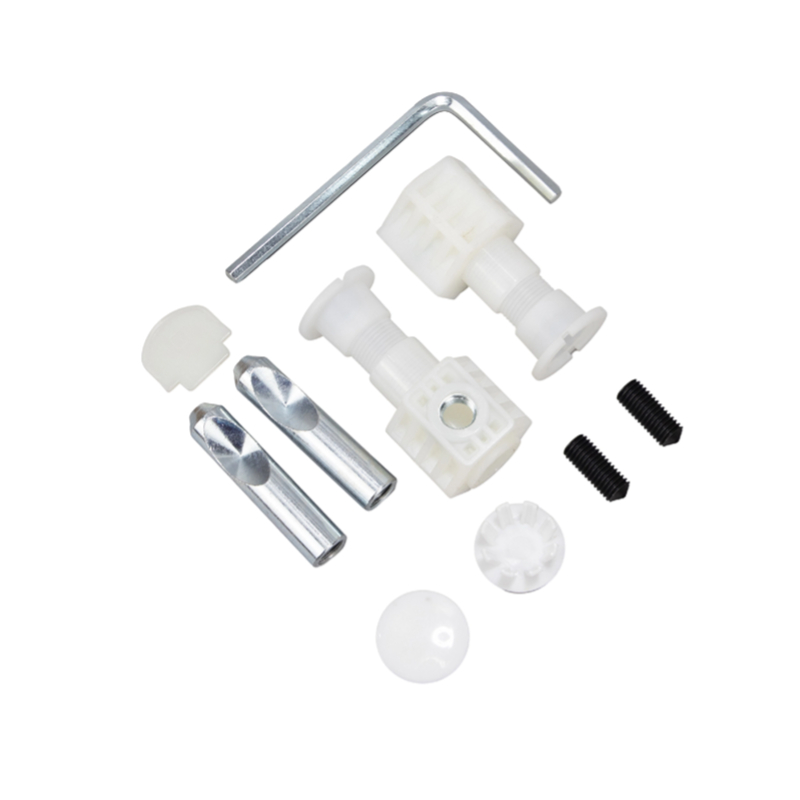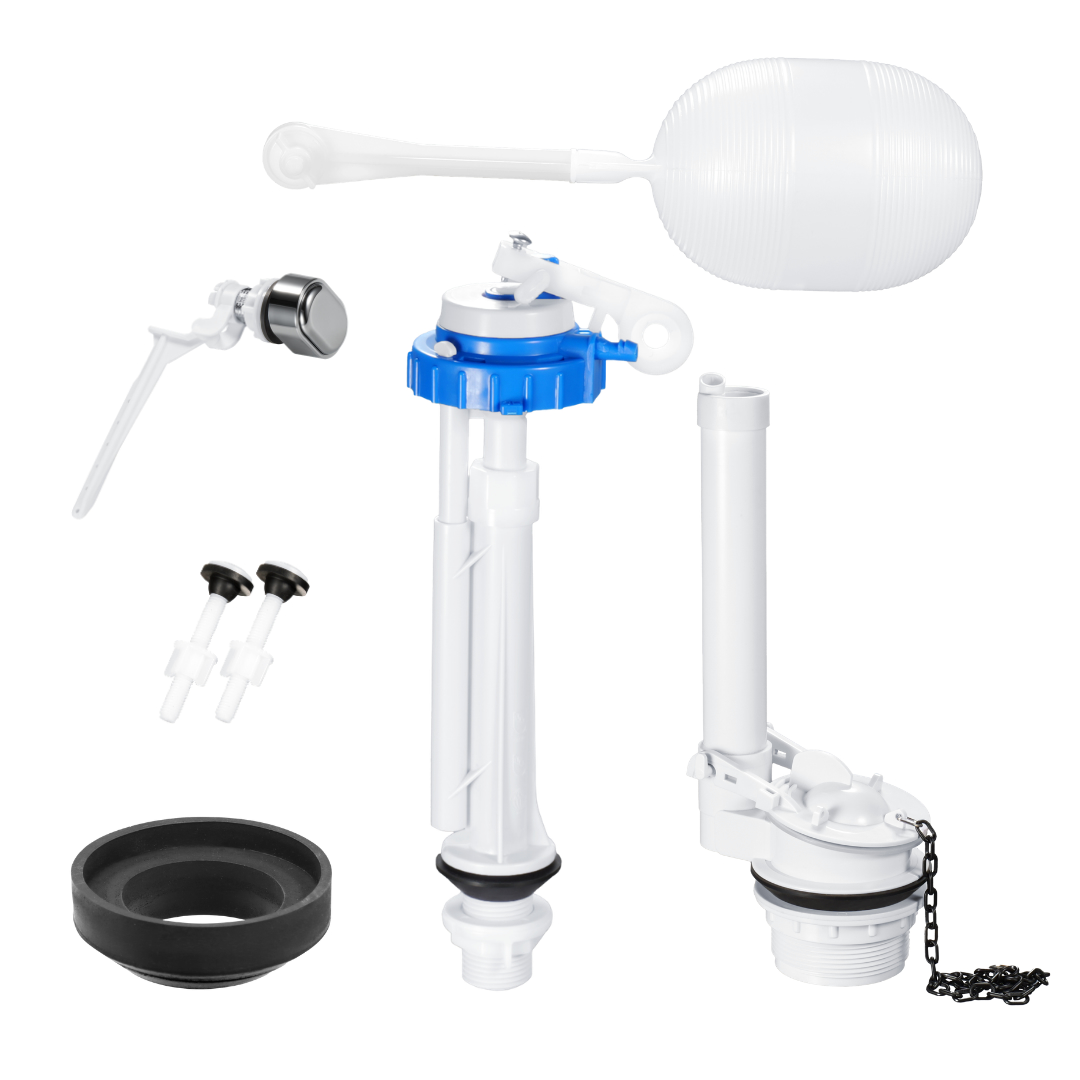
Before replacing a toilet flush button, the first thing to confirm is whether the toilet uses a single flush or dual flush system. A single flush button is normally used with a single flush valve, while a dual flush button should match a dual flush valve.
Next, check the operating structure under the button. Different toilets may use different flushing methods, such as a direct push-rod button, a cable-operated button, a pneumatic button, or a lever-style button connected to a chain. A top-mounted button is often a push-rod type, which presses directly on the flush valve. A side-mounted button may use a lever and chain, or it may be designed for cable or pneumatic operation.
The button installation position should also be checked. If the button is installed on the side of the tank, the mounting hole is often around 20 mm. If it is installed on the tank lid, the ceramic hole size is usually around 40 mm, 50 mm, or 60 mm. These normally match 38 mm, 48 mm, or 58 mm toilet flush buttons. Some top-mounted buttons may also use a smaller hole of about 20 mm, but this usually requires a button with a cover or support plate to fit properly.
For push-rod type buttons, it is also important to measure the rod length of the original button. When choosing a new button, the new push rods should be longer than the original ones, so they can be cut to the correct length during installation. If the rods are too short, they cannot be adjusted properly, which may cause installation problems or poor flushing performance.
 3rd Floor, Building 3, No. 303 Shanmei Road, Jimei District, Xiamen, Fujian, China
 Tel : +8618906057133
 Email : jack@jlplumbing.comEmail : qmmj@jlplumbing.com
 WhatsApp : +8618906057133
 IPv6 network supported
Our hours
24 hours online
 English